

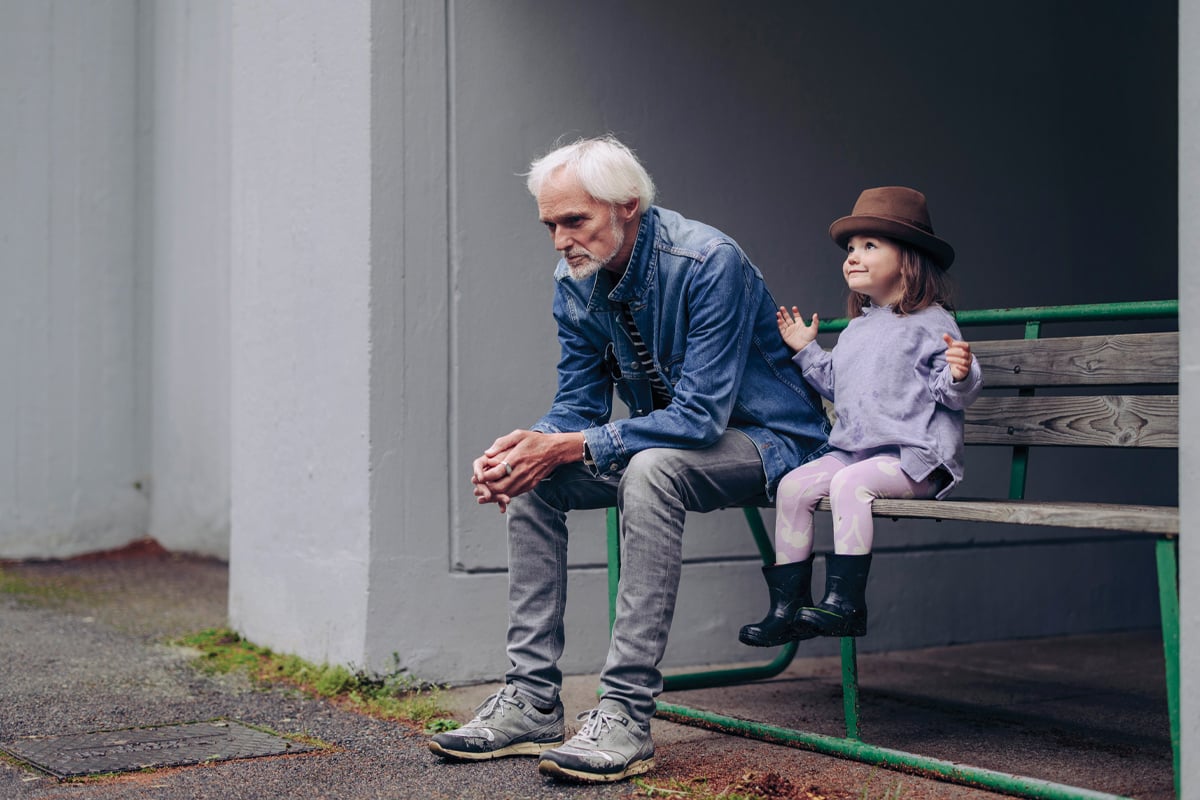
Kaikki syövästä – tietoa, toivoa ja tukea sinulle!
Yhä useampi suomalainen sairastuu syöpään, mutta yhä useampi myös selviytyy siitä. Kaikki syövästä -sivustolle on koottu luotettavaa tietoa, neuvontaa ja vertaistukea syöpään liittyen.
Tietoa, toivoa ja tukea tilanteesi mukaan

Uusimmat artikkelit
Lue muita Syöpä-lehden juttuja täältä
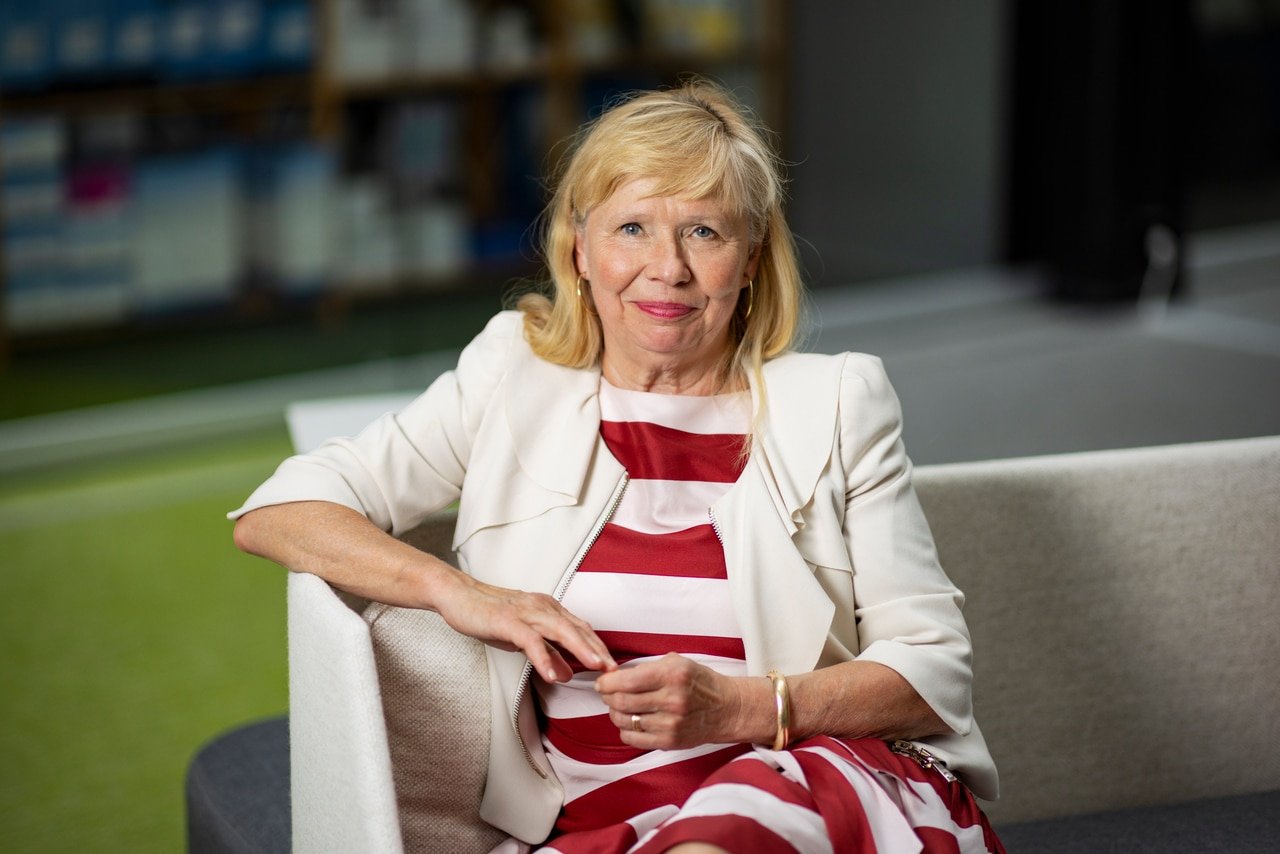
Akateemikko Sirpa Jalkanen – Etsimisen jännitys ja löytämisen riemu
Akateemikko Sirpa Jalkanen on intohimoinen tutkija. Tällä hetkellä hän etsii keinoja syövän leviämisen estämiseksi. Hän on myös päätynyt omien sanojensa mukaan ”vahingossa” Syöpäsäätiön puheenjohtajaksi.
Lue artikkeli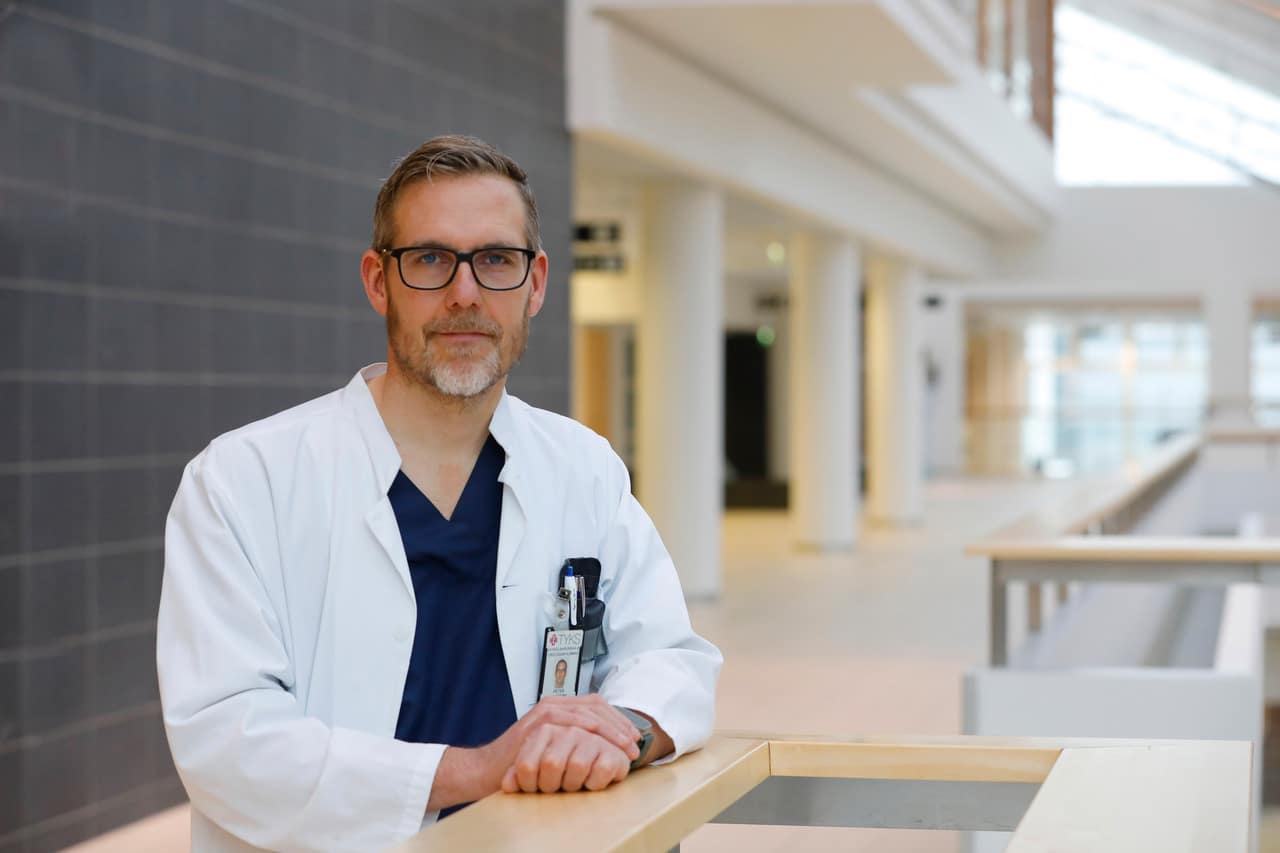
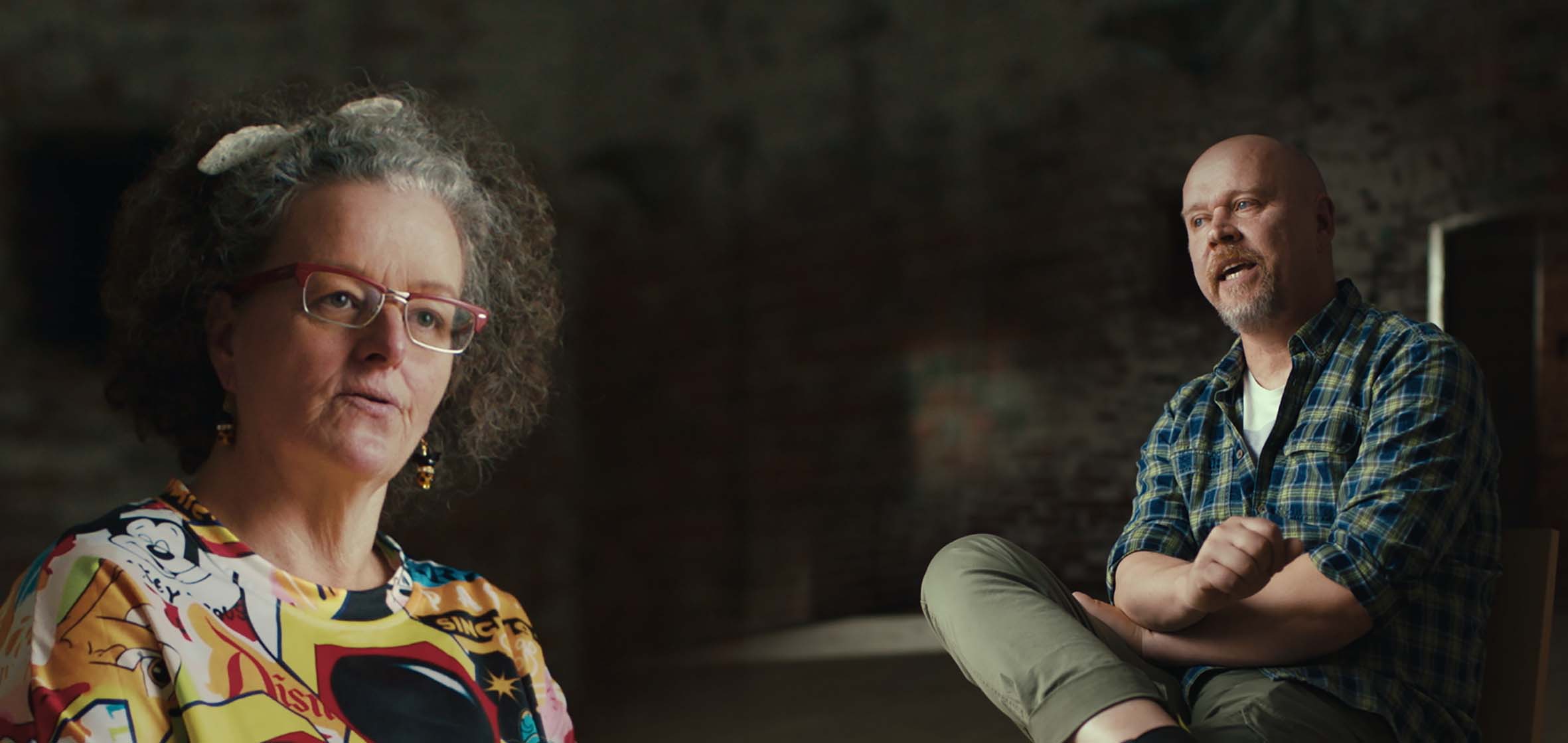
Peter Boström:Potilaan kuuntelusta syntyy luottamus
Syövän toteamiseen ja hoitoon osallistuvat onkologien lisäksi useiden lääketieteen erikoisalojen lääkärit. Eturauhassyöpää hoitavat pääosin urologit.
Lue artikkeli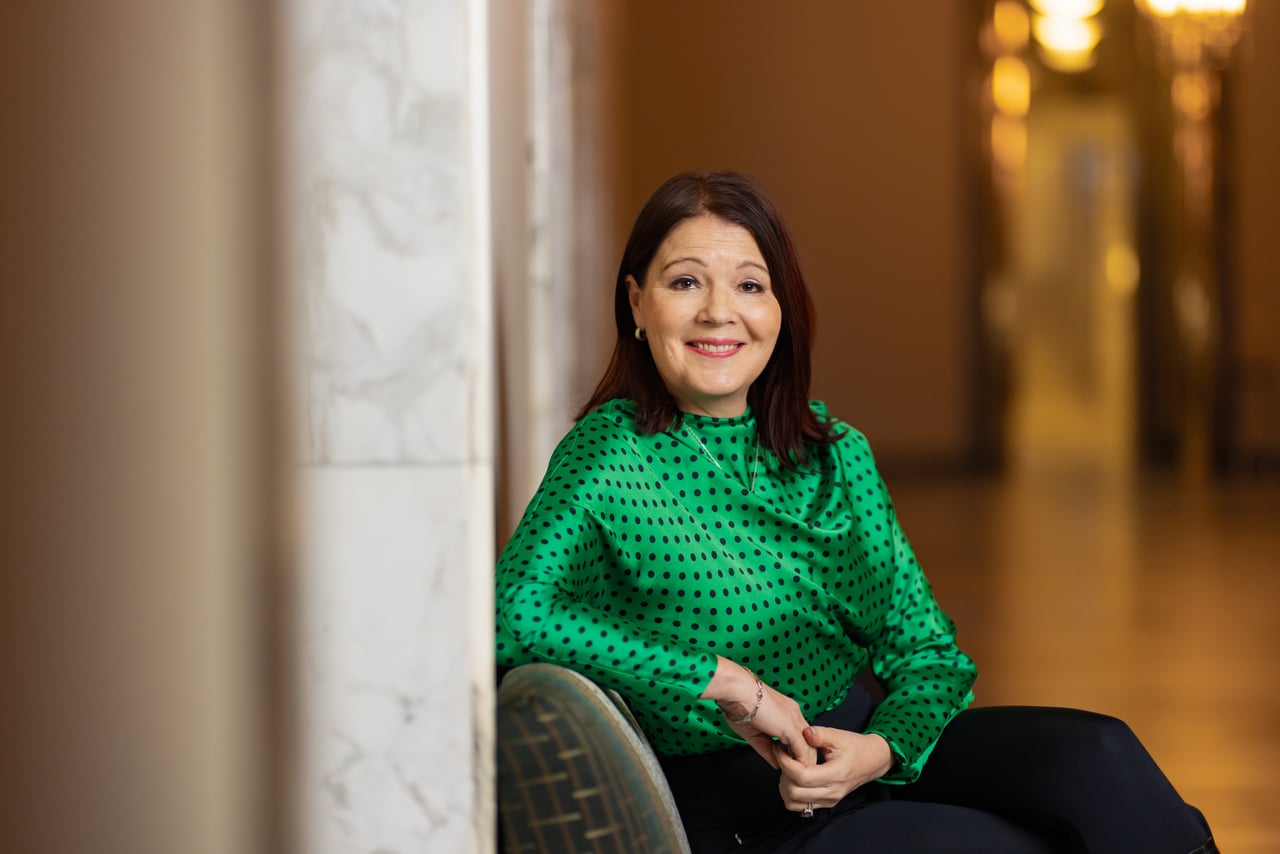
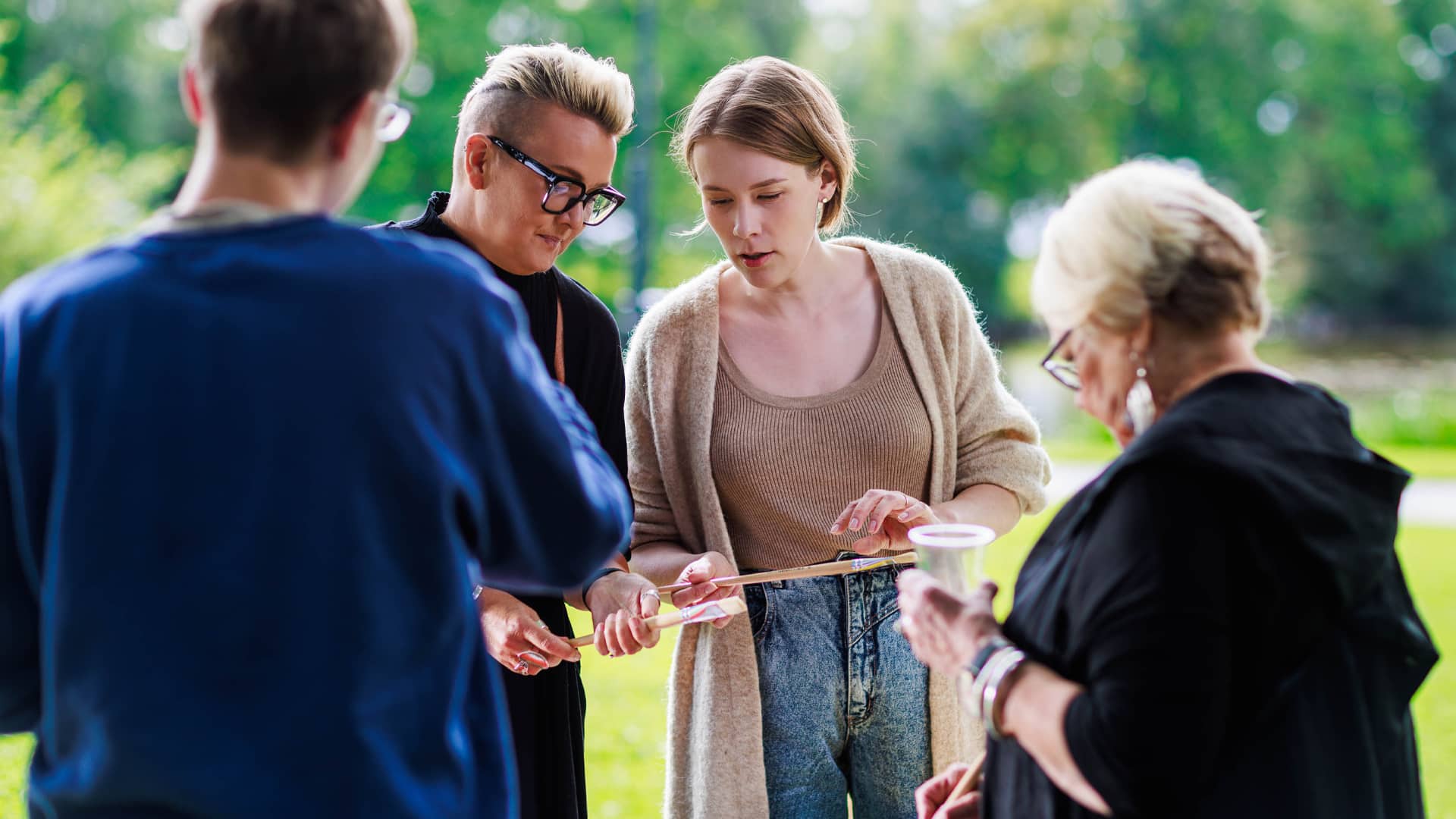
Toiveena hyviä paluita työelämään
Sari Sarkomaa haluaa edistää sitä, että hyvä hoito, kuntoutus ja tuki ovat yhdenvertaisesti saatavilla ihmisten sairastuessa. Hän myös toivoo, että kun ihminen palaa sairastamisen jälkeen takaisin työelämään hänet osataan kohdata ilman, että hänet nähdään vain potilaana.
Lue artikkeli